
7-OH Versus MGM15: Understanding the Key Differences, Benefits, and Considerations Between These Powerful Compounds
Understanding 7-OH and MGM15
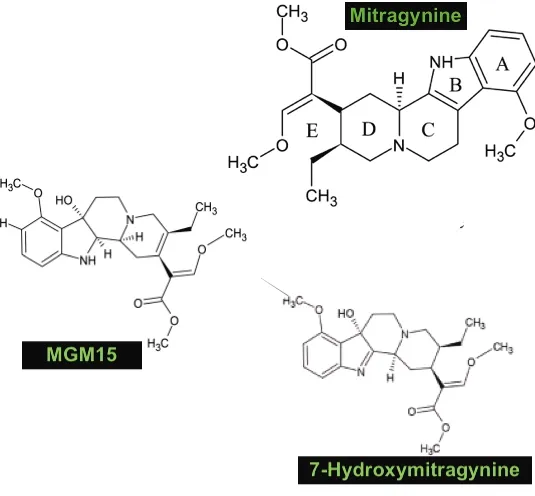
7-Hydroxymitragynine (7-OH)
A naturally occurring alkaloid found in trace amounts in the kratom plant (Mitragyna speciosa), 7-OH acts primarily on μ-opioid receptors with unique receptor binding properties that distinguish it from traditional opioids.
MGM15
A novel semi-synthetic alkaloid derived from mitragynine, MGM15 represents recent innovations in alkaloid chemistry with a modified molecular structure designed to potentially enhance certain properties while minimizing others.
Key Differences
While both compounds interact with similar receptor systems, their structural differences result in distinct pharmacological profiles, potency levels, and duration of effects that consumers and researchers should understand.
Origins and Development
When we look at where these compounds come from, we're seeing two different stories. 7-OH occurs naturally in the kratom plant, though in extremely small quantities (typically less than 0.05% by weight). What makes it interesting is that despite this tiny presence, it's believed to be responsible for a significant portion of traditional kratom's effects due to its remarkable potency.
MGM15, on the other hand, represents something different altogether. Developed through chemical modification of mitragynine (kratom's most abundant alkaloid), MGM15 emerged from research aiming to refine and potentially improve upon the properties of natural kratom alkaloids. Its creation represents the growing interest in developing novel compounds that might offer more targeted benefits.
Receptor Interactions
The way these compounds interact with our bodies' receptor systems tells us a lot about their effects. 7-OH has been pretty thoroughly studied at this point - we know it shows strong activity at μ-opioid receptors while demonstrating what scientists call "biased agonism." This essentially means it triggers pain relief pathways while minimizing some of the problematic pathways associated with respiratory depression.
MGM15 appears to maintain similar μ-opioid receptor interactions but early research suggests it might have different binding profiles at other receptor types as well. Some preliminary studies indicate possibly enhanced interactions with δ-opioid receptors alongside reduced activation of certain signaling pathways linked to dependency issues. However, I should note that research specifically on MGM15 is still emerging compared to the more established research on 7-OH.
Effects and Potential Applications

Reported Effects Comparison
From user reports and preliminary studies, the effects of these two compounds show both similarities and notable differences. 7-OH typically produces potent analgesic effects alongside mood enhancement, with duration typically ranging from 2-4 hours. The onset is relatively rapid, especially when consumed in formats designed for faster absorption.
MGM15 users commonly report a somewhat different experience - while pain relief remains prominent, many describe a more balanced effect profile with notably shorter duration than 7-OH. Interestingly, some users note that MGM15 produces less sedation at higher amounts compared to equivalent 7-OH amounts, though individual responses vary considerably.
Potential Applications
Beyond recreational use, both compounds have sparked interest in research communities for their potential therapeutic applications. Pain management remains the most obvious application, with both compounds showing promise for various pain conditions through their unique receptor activities.
For 7-OH, ongoing research is exploring potential applications for mood disorders and inflammation. Its longer duration makes it potentially suitable for conditions requiring sustained relief. MGM15, while newer to the scene, is being investigated for similar applications with some researchers particularly interested in its faster-acting but shorter-duration profile, which might offer advantages for acute or breakthrough pain management.
It's worth emphasizing that formal clinical studies for both compounds remain limited, with much of our current understanding coming from preclinical research and anecdotal user reports. The path to developing legitimate medical applications requires substantially more research and regulatory scrutiny.
Safety Considerations
Tolerance and Dependency Profiles
Both compounds warrant careful consideration regarding tolerance development and dependency potential. With 7-OH, research has demonstrated that it may produce tolerance and physical dependency with regular use. Interestingly, some animal studies suggest this might occur more rapidly with 7-OH than with traditional kratom leaf or even mitragynine alone.
For MGM15, the research picture isn't as clear yet. Some preliminary reports suggest its modified structure might potentially result in a different tolerance development profile, but without comprehensive studies, it's premature to draw firm conclusions. Users experimenting with either compound should approach with appropriate caution, especially regarding regular long-term use.
Reported side effects to be aware of:
- Nausea and digestive discomfort (more commonly reported with 7-OH)
- Dizziness and potential coordination issues at higher amounts
- Sleep pattern disruptions
- Potential for withdrawal symptoms with regular use
- Possible interactions with medications (consult healthcare provider)
the amount Considerations
Here's where things get particularly important - both compounds are substantially more potent than traditional kratom leaf, requiring careful attention to the amount. 7-OH is estimated to be roughly 40 times more potent than mitragynine and potentially 10-13 times more potent than morphine in certain animal models.
MGM15 appears to demonstrate high potency as well, though direct comparative studies are still emerging. The key takeaway is that both compounds require precision amounts and should be approached with substantial respect for their potency. First-time users of either should start with minimal amounts to assess individual sensitivity.
Market Analysis and Product Forms
7-OH Products
The market for 7-OH has expanded significantly in recent years, with products available in various forms including:
- Standardized tablets with precise amounts
- Dissolving strips for rapid absorption
- Powdered extracts of varying potencies
- Combination products featuring both 7-OH and mitragynine
Quality control varies significantly between vendors, with reputable suppliers providing laboratory testing results verifying alkaloid content and purity.
MGM15 Products
As a newer entry to the market, MGM15 products are less widespread but growing in availability:
- Standardized powder formats
- Emerging tablet formulations
- Limited specialty products combining MGM15 with other alkaloids
The newness of MGM15 makes quality standards particularly important, as manufacturing processes and testing protocols are still evolving in this segment.
Consumer Trends and Preferences
Interestingly, we're seeing different user preferences emerging between these compounds. 7-OH has established a substantial user base seeking its potent effects, particularly for pain management and mood enhancement. Many users in this category have experience with traditional kratom and are seeking something more concentrated with longer-lasting effects.
MGM15 appears to be attracting interest partly due to curiosity about its novel properties and partly from users seeking a shorter-duration alternative to 7-OH. Some report preferring it specifically for its allegedly more balanced effect profile and quicker onset, though these remain subjective assessments that vary between individuals.
Legal Considerations
The legal landscape for both compounds remains complex and evolving. 7-OH's legal status generally follows kratom regulations in most jurisdictions, though some areas have specifically named 7-OH in their legislation. In the United States, this creates a patchwork where legality varies by state, with some states banning kratom compounds entirely while others have passed Kratom Consumer Protection Acts that regulate rather than prohibit.
For MGM15, its newer development means it may not be specifically named in existing legislation. However, in jurisdictions with analog acts or broad-spectrum prohibitions, its similarity to controlled substances could potentially place it in legally questionable territory. Anyone considering either compound should thoroughly research the specific regulations in their location, as these continue to evolve as regulatory bodies evaluate emerging research.
Explore Quality-Tested Products
Discover our selection of laboratory-verified 7-OH and MGM15 products, with comprehensive testing for potency and purity.
Shop NowConclusion: Which is Right for You?
When comparing 7-OH and MGM15, there's no simple answer to which is "better" - they represent different approaches with their own distinct properties. 7-OH has a longer research history, more established user base, and longer duration of effects, potentially offering more predictable and sustained relief. MGM15, while newer and less studied, represents ongoing innovation with its shorter duration that might better suit certain users who prefer more controllable, shorter-lived effects.
Your individual needs, sensitivity, and response to these compounds should guide your personal exploration, always keeping safety considerations at the forefront. As research continues to evolve, our understanding of both compounds will undoubtedly improve, potentially revealing new insights about their optimal uses and considerations.
Frequently Asked Questions
How do the effects of 7-OH and MGM15 differ in terms of duration?
From user reports and preliminary research, 7-OH typically produces effects lasting approximately 2-4 hours, while MGM15 has a noticeably shorter duration. This difference appears consistent across various consumption methods, though individual metabolism and the amount significantly impact duration for both compounds. The shorter duration of MGM15 makes it potentially preferable for users seeking more temporary or controllable effects.
Are there differences in tolerance development between these compounds?
While research directly comparing tolerance development is limited, preliminary evidence suggests 7-OH may produce tolerance relatively quickly with regular use. Some early reports indicate MGM15 might potentially develop tolerance somewhat differently due to its modified structure and receptor interaction profile, but comprehensive comparative studies remain needed before drawing firm conclusions.
How do these compounds compare in terms of potency?
Both compounds are substantially more potent than traditional kratom leaf or isolated mitragynine. 7-OH has been extensively studied and shows approximately 40 times the potency of mitragynine in certain measures. MGM15's potency appears similarly high, though direct head-to-head comparisons in research settings are still emerging. The key takeaway is that both require careful attention to amounts due to their concentrated nature.
Can these compounds be detected in standard drug tests?
Standard drug panels typically don't test for kratom alkaloids including 7-OH or MGM15. However, specialized tests specifically targeting mitragynine and its derivatives do exist and could potentially detect both compounds. Additionally, testing technology continues to evolve, so this answer may change as new testing methods emerge and become more widely adopted.
