
What is Kratom?
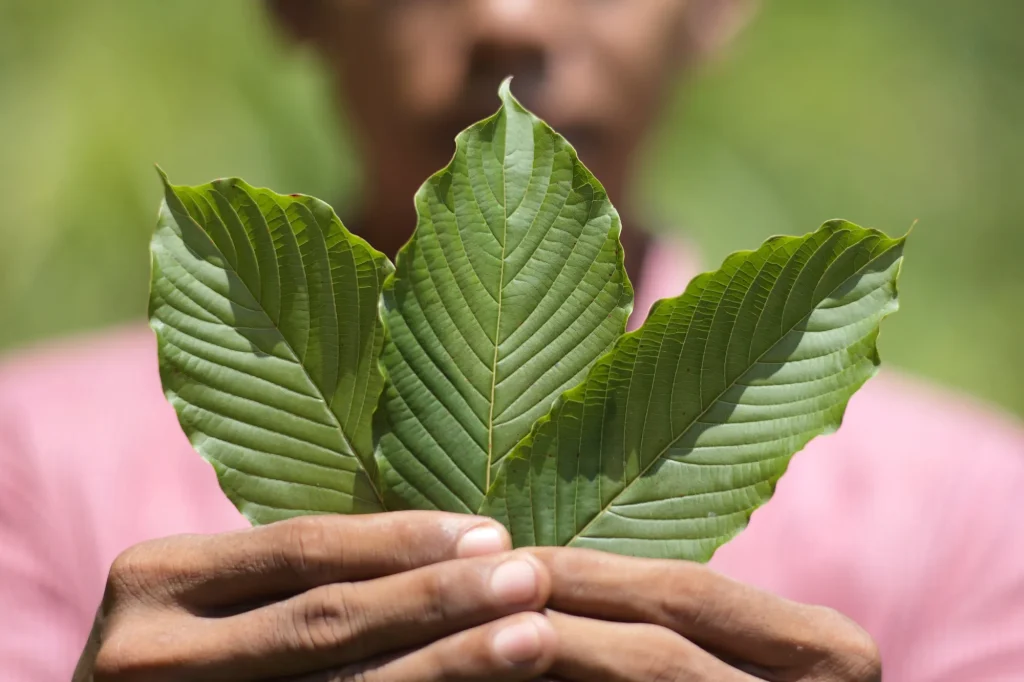
Kratom (Mitragyna speciosa) is a tropical evergreen tree native to Southeast Asia, traditionally used by manual laborers and farmers for its stimulant and analgesic properties. The leaves contain over 40 bioactive alkaloids, with mitragynine (MIT) and 7-hydroxymitragynine (7-OH) being the most studied.
Key Facts:
- Traditional Preparation: Chewed fresh, brewed as tea, or powdered
- Active Compounds: MIT (60-70% alkaloid content), 7-OH (1-2%)
- Legal Status: Unregulated in most U.S. states but banned in 6
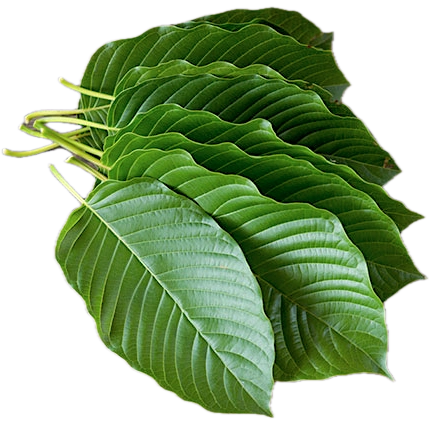
Kratom’s Effects: From Energy to Sedation
Kratom’s effects depend on amount and strain type. Low amounts act as stimulants, while higher amounts provide opioid-like effects. This dual-phase action makes it unique compared to traditional opiates.
Serving Size & Respective Effects:
| MG Range | Primary Effects | Duration |
|---|---|---|
| 1-3g | Increased energy, focus | 1-2 hours |
| 3-6g | Pain relief, euphoria | 3-4 hours |
| 6-10g | Sedation, respiratory depression* | 5-6 hours |
*Rare but possible at very high amounts (FDA warning, 2023)
Western Uses of Kratom
In the U.S., kratom is primarily used in these forms:
- 7OH Powder: Concentrated 7-hydroxymitragynine for precise amounts
- Kratom Extract: Liquid tinctures with MIT/7-OH ratios up to 50:1
- 7OH Tablets: Standardized-amount tablets for convenience
Common Reasons for Use:
Opioid Withdrawal
Kratom’s partial μ-opioid agonism helps manage withdrawal symptoms. A 2021 University of Florida study found 67% of users reported reduced opioid cravings.
Chronic Pain
7-OH’s 13x morphine potency (in vitro) makes kratom 7-OH products popular for arthritis and back pain.
Kratom vs. Traditional Opiates: 5 Key Differences
| Kratom | Opiates | |
|---|---|---|
| Receptor Binding | Partial μ-agonist | Full agonist |
| Overdose Fatalities | 0 confirmed (DEA, 2023) | 80,411 in 2022 (CDC) |
| Respiratory Depression | Mild at high amounts | Severe |
| Legality | Unregulated | Schedule II |
| Withdrawal Duration | 3-7 days | 7-14 days |
Critical Insight: Kratom’s alkaloids like MIT and 7-OH activate opioid receptors without fully “occupying” them, reducing overdose risk compared to drugs like oxycodone (Journal of Medicinal Chemistry, 2022).
Kratom FAQ
Is kratom safer than prescription opioids?
Current research suggests lower acute toxicity risk, but long-term safety data is limited. Standardized products like 7OH Tablets reduce variability compared to raw leaf. Check out a deeper look in our kratom & 7-hydroxymitragynine guide
How does kratom extract differ from raw leaf?
Extracts concentrate specific alkaloids (e.g., MIT or 7-OH). Our kratom extract undergoes HPLC testing to verify potency.
These statements have not been evaluated by the FDA. Consult your physician before using kratom or related products.
